Cogeneration Plant Maintenance & Uptime Monitoring in Southeast Asia
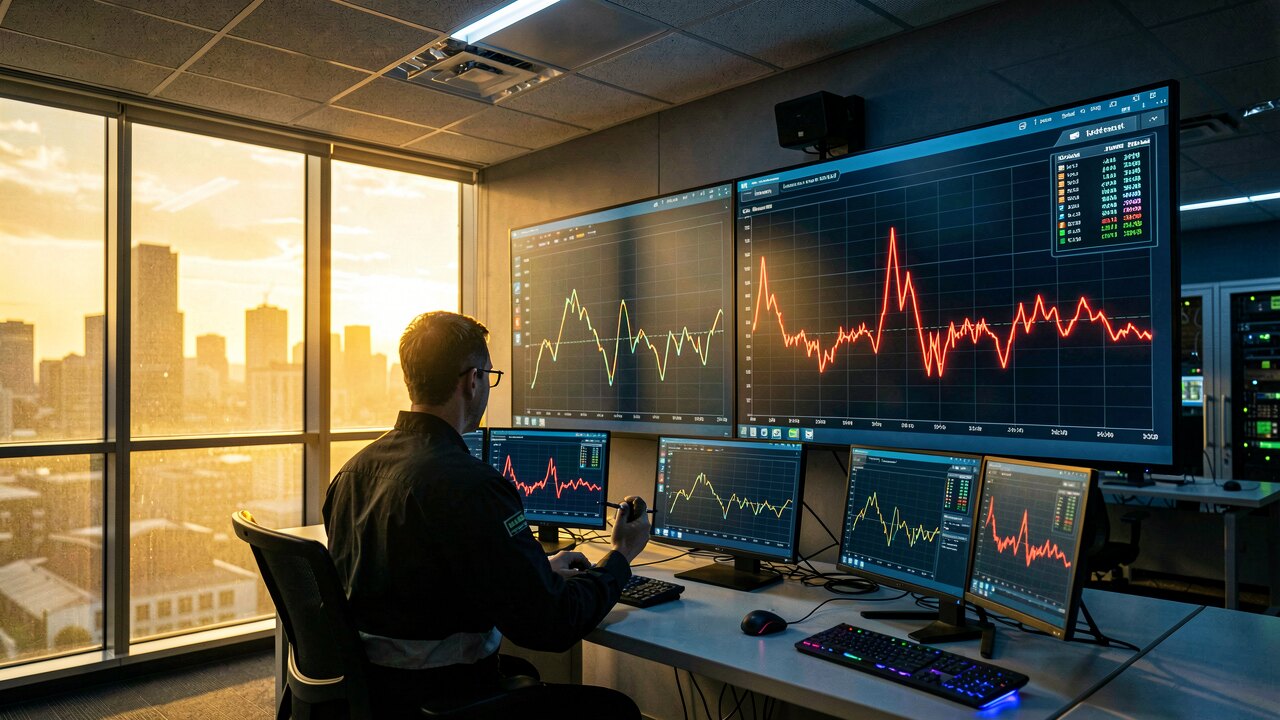
Cogeneration (CHP) maintenance in Southeast Asia combines fixed running-hour service intervals with continuous condition and availability monitoring. Below you get the concrete service logic, the uptime KPIs to track, and how tropical climate and local grid operators (PLN, TNB, EGAT/PEA, EVN, Meralco, SP Group) shape the plan.
Engine-based CHP (gas, biogas or biomass) is serviced on operating hours, not calendar dates. A typical cycle is: minor service (oil, filters, spark plugs) every few thousand hours; a top-end overhaul (cylinder heads, valves) after tens of thousands of hours; and a major overhaul (crankshaft bearings, pistons) at the end of a long running-hour block. Exact intervals depend on the OEM (e.g. Jenbacher, MWM, Caterpillar, Cummins) and on gas quality — biogas from palm-oil or agricultural digesters usually shortens oil-change intervals because of H2S and siloxane load. Always follow the manufacturer's service schedule for your engine; the ranges above are industry-typical, not a substitute for the OEM manual.
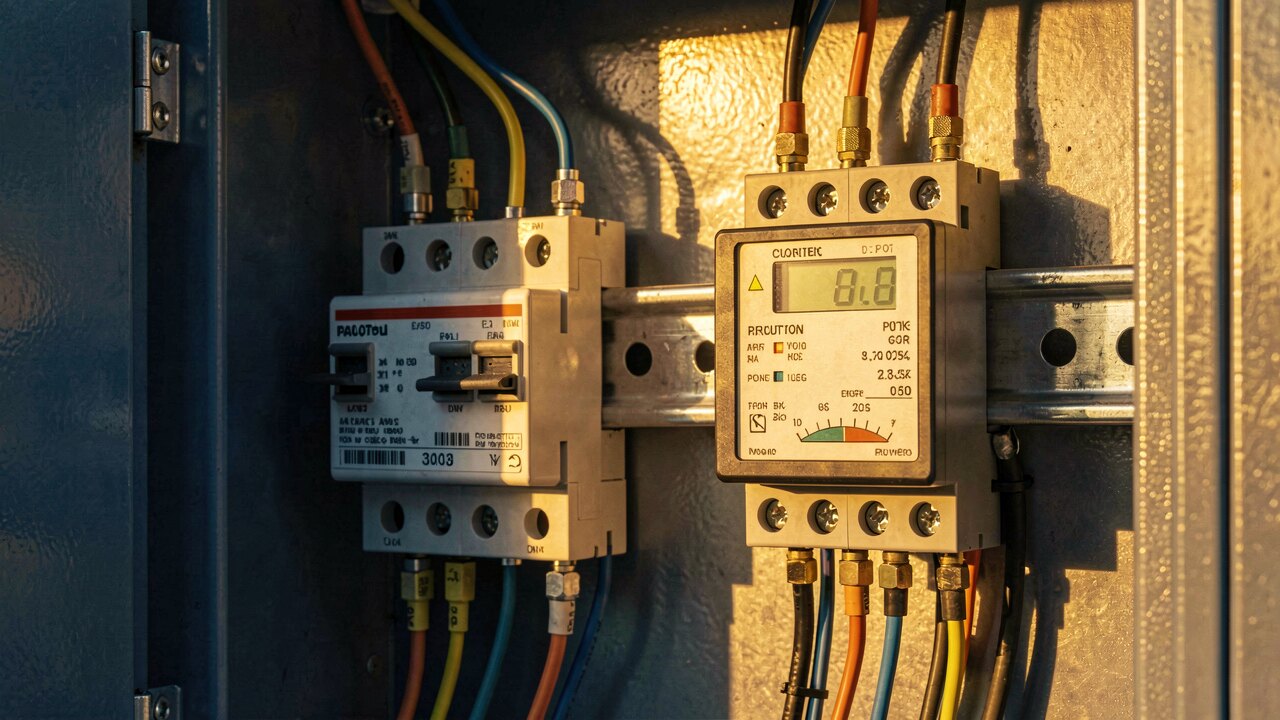
Track three figures continuously: (1) Technical availability = operating hours ÷ (operating hours + forced-outage hours); (2) Capacity factor = actual energy produced ÷ rated capacity over the period; (3) Mean time between failures (MTBF). Log every stop with a cause code (planned service, fuel/gas fault, grid trip, cooling fault). A remote monitoring layer — SCADA or an IoT gateway pushing live data over MQTT to a central dashboard — lets you see alarms, engine hours, exhaust and jacket-water temperatures and load in real time, so a small deviation is caught before it becomes a forced outage. This is exactly the kind of real-time energy monitoring Stromfee's Tagebuch system is built for.

High ambient temperatures across SEA derate engine output and load radiators, intercoolers and lube-oil coolers harder — so cleaning and coolant checks need to be more frequent than in temperate manuals. High humidity accelerates corrosion on electrical panels and exhaust components, and dust or biomass particulate fouls air filters faster. Practical response: shorten air-filter and heat-exchanger cleaning intervals, monitor coolant and intercooler temperatures as leading indicators, and enclose or air-condition control cabinets to protect switchgear.
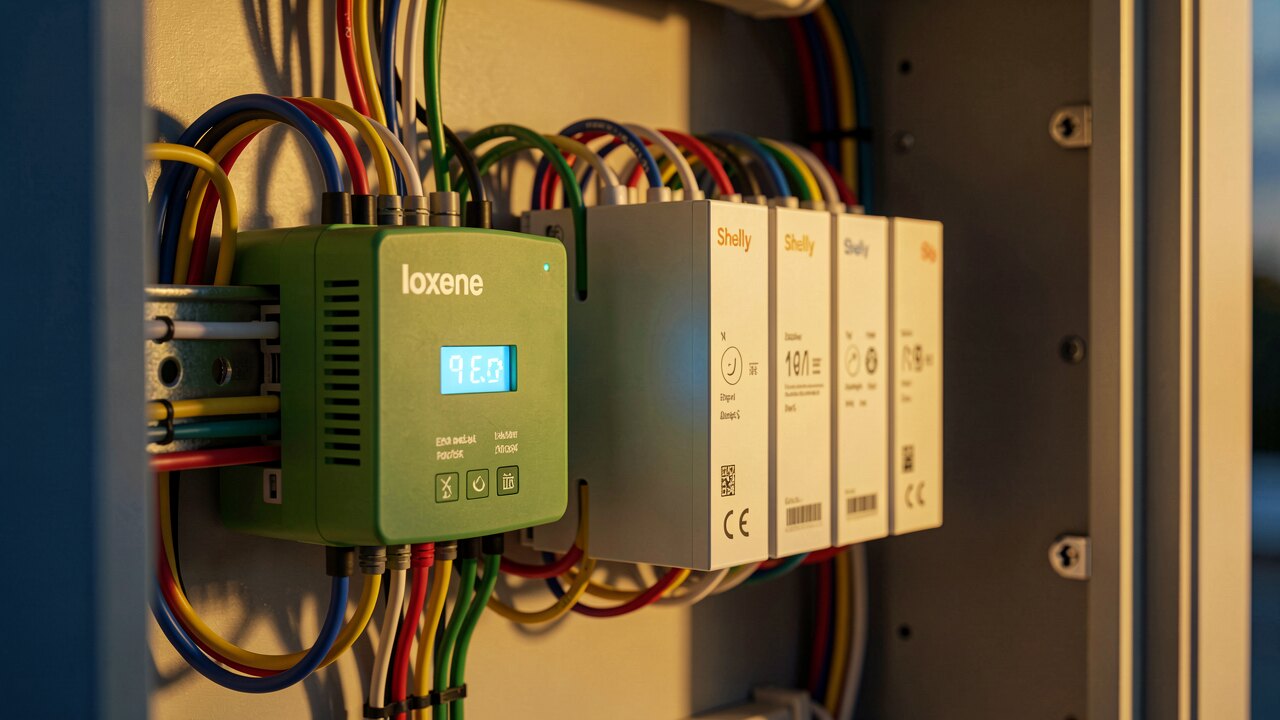
Uptime targets are also driven by your offtake and grid operator. In Thailand, SPP/VSPP schemes under EGAT and the distribution utilities (PEA/MEA) define metering and dispatch expectations. In Indonesia, PLN sets the interconnection and export terms; in Malaysia, TNB (with FiT/NEM frameworks); in Vietnam, EVN; in the Philippines, Meralco/NGCP; and in Singapore, SP Group. Because grid trips count against availability, your monitoring should log grid events separately from mechanical faults so you don't confuse an external trip with an engine problem — and so you can prove exported energy against the meter.
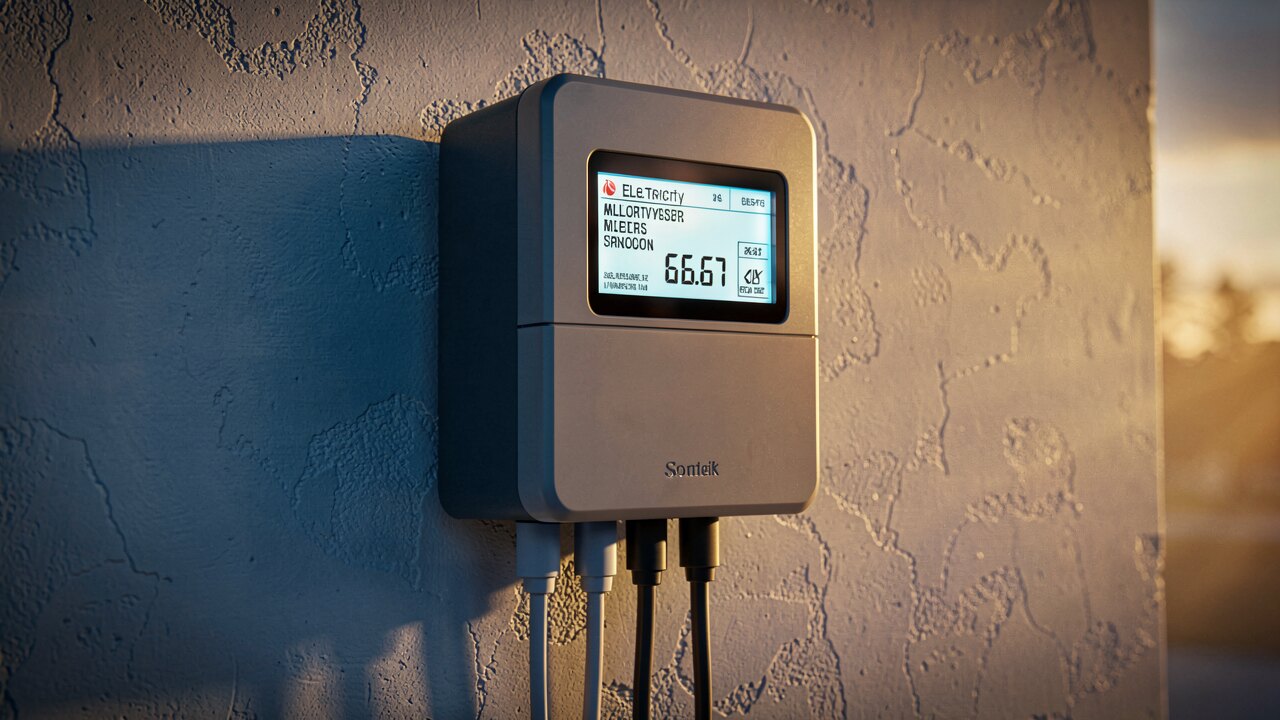
Set the plan in layers: daily — remote check of load, temperatures and alarm log; weekly — visual inspection, coolant and oil level, leak check; per service interval — oil and coolant sampling sent for lab analysis (trending wear metals catches bearing problems early); annually — thermographic scan of electrical connections. Keep a running-hours counter tied to the OEM schedule so overhauls are ordered before the deadline, and pre-stage critical spares — parts logistics across islands and borders in SEA is the single biggest driver of long downtime, so remote monitoring that predicts a failure a week ahead directly protects availability.
In an archipelago and cross-border market, the failure is often not the fault itself but the wait for the part. Reduce it by keeping a defined critical-spares kit on site (spark plugs, filters, sensors, common gaskets, one set of cylinder-head consumables), tracking lead times per supplier, and using condition data to order major-overhaul parts ahead of the running-hour deadline. Remote monitoring turns an unplanned stop into a planned one — the difference between hours and weeks of lost generation.
 Charge Director
 Automixer
 BESS Engineer
 PV Watcher