Commercial Battery Storage Arbitrage in Southeast Asia: Where It Actually Works
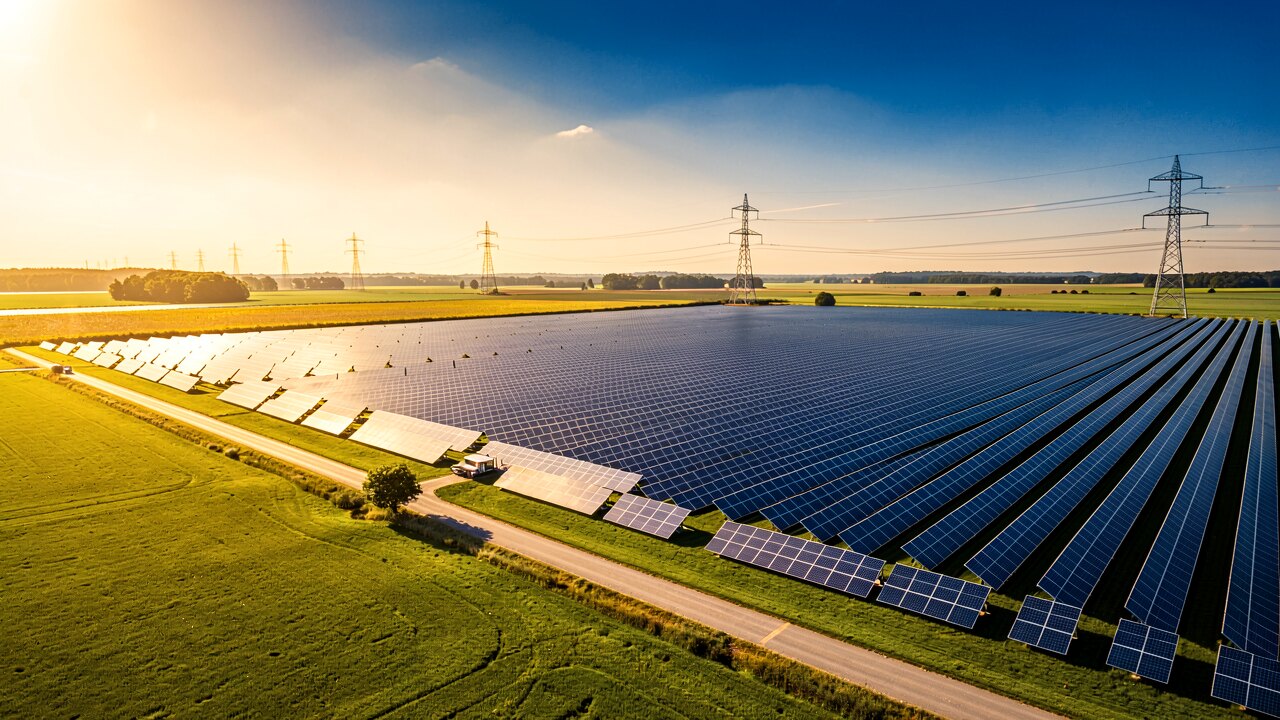
Energy arbitrage means charging a battery when wholesale power is cheap and discharging when it is expensive. In Southeast Asia this is only truly possible where a liberalised wholesale spot market exists — today that means Singapore and the Philippines — while most other markets still run on a single-buyer utility model that limits merchant trading.
Pure merchant energy arbitrage needs a wholesale market with volatile, sub-hourly prices. In Southeast Asia, Singapore's National Electricity Market (NEMS, half-hourly settlement) and the Philippines' Wholesale Electricity Spot Market (WESM, operated by IEMOP with 5-minute dispatch) are the two markets where a commercial battery can buy and sell energy directly. In Thailand (EGAT), Vietnam (EVN), Indonesia (PLN) and Malaysia (TNB, Single Buyer), the utility is still effectively the sole off-taker, so batteries earn through contracted capacity, ancillary services or behind-the-meter savings rather than open-market arbitrage.
The mechanism is the same everywhere: charge during low-price windows (typically midday solar surplus or overnight low demand), discharge during evening peaks. Your gross spread is the discharge price minus the charge price; from that you subtract round-trip efficiency losses (Li-ion is typically ~85–90%), the cost of battery degradation per cycle, and any grid or market fees. Net profit per cycle is only positive when the daily spread comfortably exceeds those combined costs — which is why market selection and cycle discipline matter more than raw capacity.
Singapore: NEMS lets registered market participants trade energy and bid into regulation and reserve (ancillary) markets — the most mature route for merchant BESS, supported by grid-scale projects on Jurong Island. Philippines: WESM allows spot trading, and the Department of Energy has issued energy-storage participation rules, making it the second real arbitrage venue. Thailand, Vietnam, Indonesia, Malaysia: reforms toward competitive markets are in progress but not yet fully open, so a battery here is usually justified by peak-shaving, self-consumption of solar, or utility-tendered storage contracts rather than daily price arbitrage.
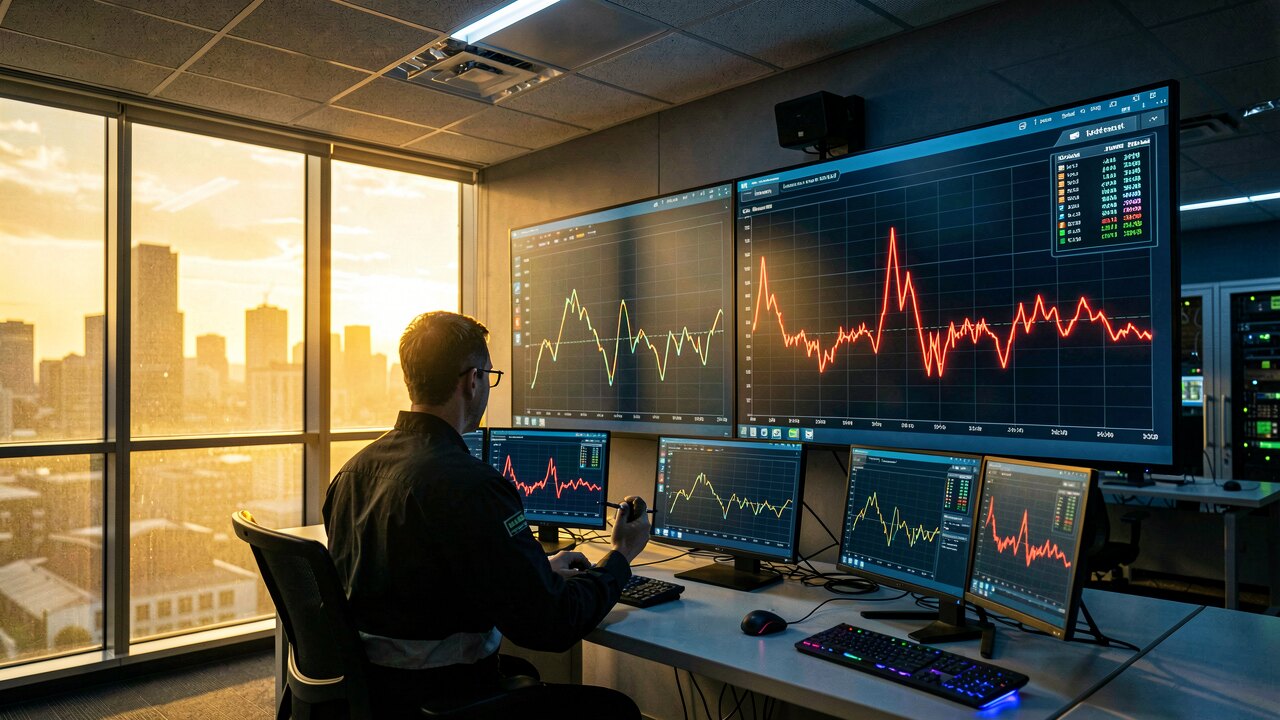
Batteries rarely live on energy spread alone. Where markets allow it (notably Singapore), the same asset can bid into fast-response ancillary services — frequency regulation and contingency reserve — which often pay more per MW than energy arbitrage and can be co-optimised with it. This 'revenue stacking' logic mirrors European balancing markets (FCR, aFRR, mFRR); in Southeast Asia the concept is emerging, so the highest-value strategy is usually to combine spot arbitrage in NEMS/WESM with reserve provision and behind-the-meter demand-charge reduction.
Check three things: (1) Market access — can your asset legally register and settle in a spot market, or are you limited to a utility PPA? (2) Spread depth — high solar penetration widens the midday-to-evening spread, which is favourable, but thin or regulated tariffs can make cycling unprofitable. (3) Cost per cycle — sizing (MWh), C-rate, depth of discharge and warranted cycle life determine whether degradation eats your margin. A battery optimised for two shallow cycles a day behaves very differently from one chasing every price spike.
Stromfee's BESS arbitrage engine models exactly this: it takes live market prices, your battery configuration (capacity, C-rate, max depth of discharge, round-trip efficiency) and computes an optimal 24-hour charge/discharge schedule, then reports gross profit, efficiency loss, degradation cost and net profit. The current live dashboards are built on European spot data (EPEX/Montel); the same optimisation logic maps directly onto NEMS or WESM price feeds for a Southeast-Asian deployment.
 Charge Director
 Automixer
 BESS Engineer
 PV Watcher