Commercial & Industrial Solar Storage in Southeast Asia
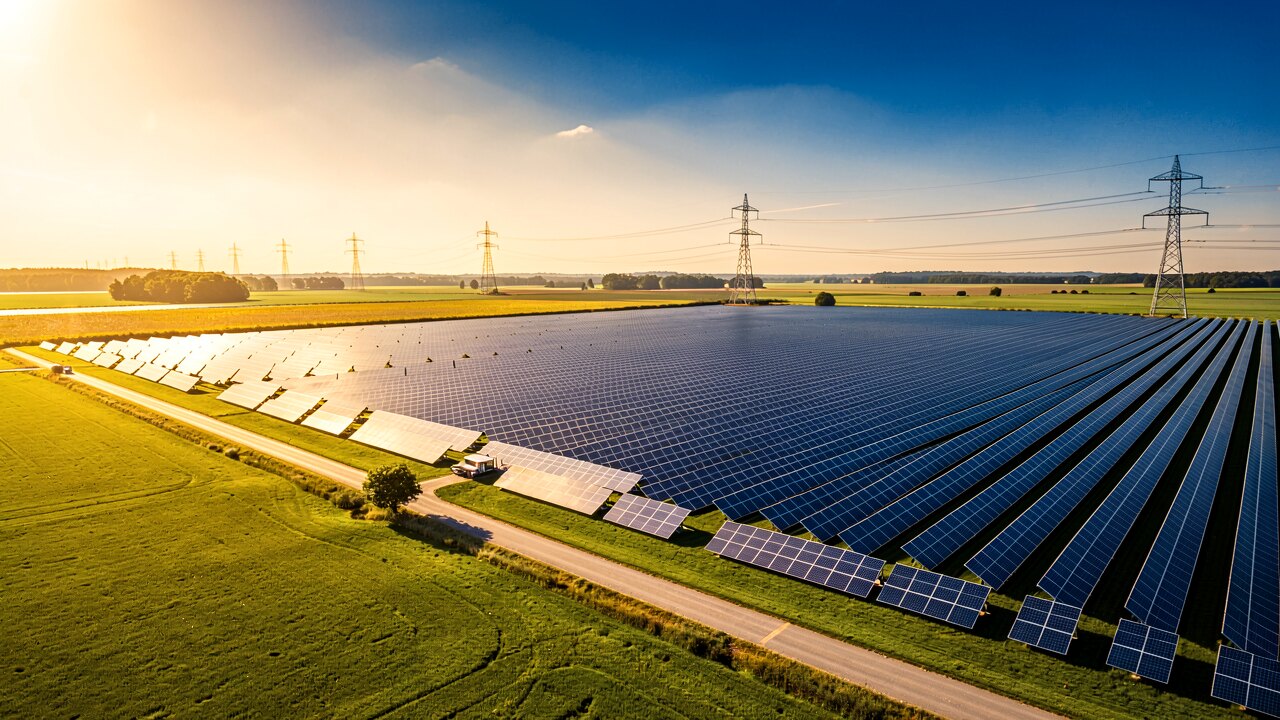
Commercial and industrial (C&I) solar storage pairs a rooftop or ground-mount PV system with a battery (usually LFP) behind your meter, so a factory, warehouse or mall can store its own solar and discharge it on demand. Across Southeast Asia the case rests on three things: high daytime demand charges, export limits or curtailment on self-consumption schemes, and unreliable grids where backup has real value.
A behind-the-meter battery lets you (1) shift midday solar into evening/peak hours to raise self-consumption, (2) shave the demand-charge (kW) peaks that dominate industrial bills, and (3) ride through outages as backup. In Southeast Asia the strongest case is usually peak shaving plus backup, not price arbitrage — most national tariffs don't yet reward hourly trading the way European spot markets do. If your site exports little, faces demand charges, or suffers outages, storage adds value; a pure net-metering site with cheap grid power often needs solar-only first.
Malaysia: Net Energy Metering (NEM) via SEDA, grid operator TNB — export is credited but capped, so batteries lift self-use. Singapore: SP Group grid, SolarNova and the wholesale market; land-scarce, so rooftop C&I dominates. Philippines: Net Metering (RA 9513) with Meralco and other DUs, plus some of the region's highest power prices — storage-backed self-supply is attractive. Thailand: self-consumption schemes under PEA/MEA/EGAT with limited export. Vietnam: rooftop self-consumption plus the emerging Direct Power Purchase Agreement (DPPA) route, grid operator EVN. Indonesia: PLN rooftop rules that have tightened export, pushing sites toward self-consumption + storage.
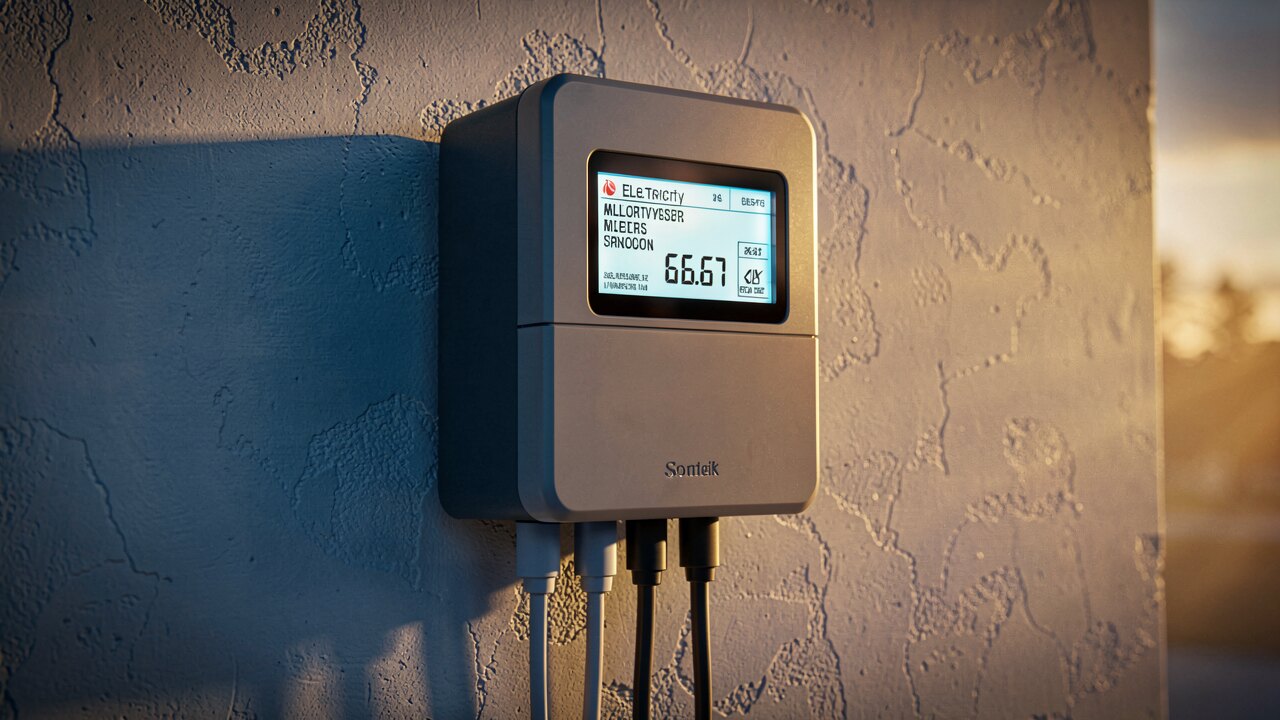
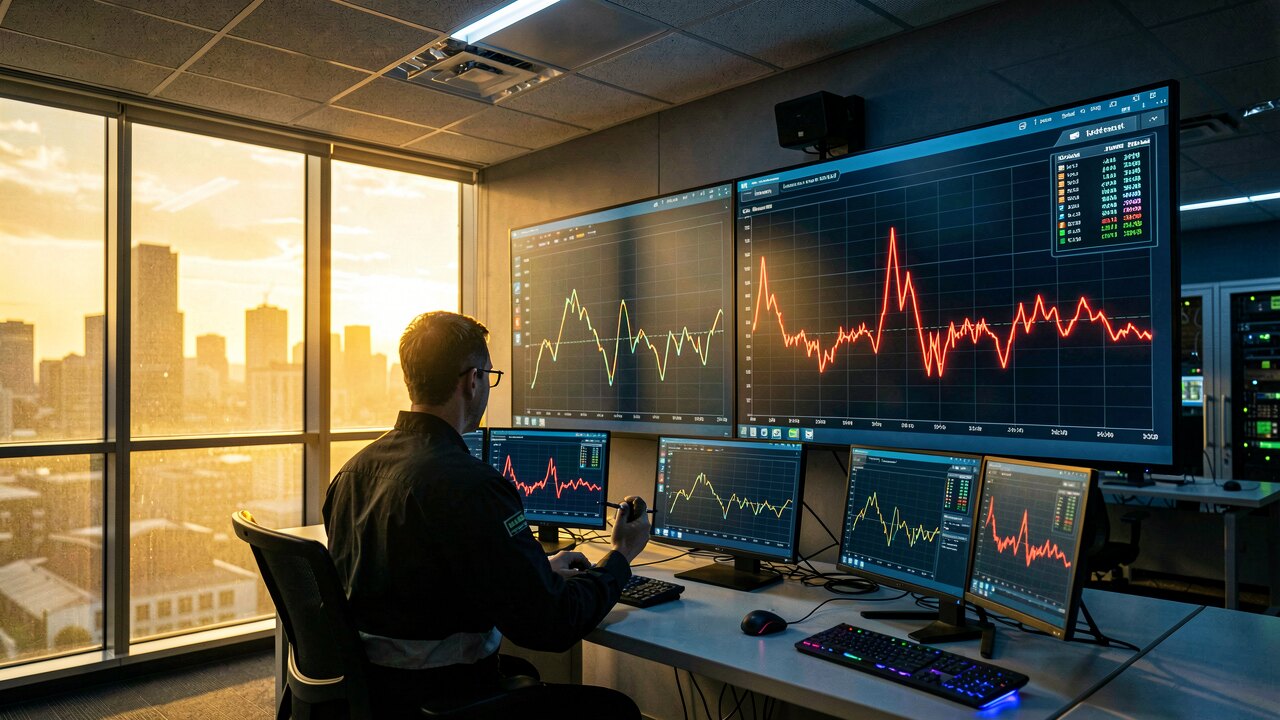
Start from the load profile, not the roof. Log 15-minute demand for a full month, identify the recurring kW peak and how many kWh you need to clip it. A common C&I ratio is a battery sized to 1–4 hours of your peak-shaving power, e.g. a 500 kW peak shaved with a 500 kW / 1,000 kWh (2h) pack. Size PV to cover daytime load first; add storage only for the peak/evening gap or for backup runtime on critical loads. Oversized batteries chasing arbitrage rarely pay back under current Southeast Asian tariffs.
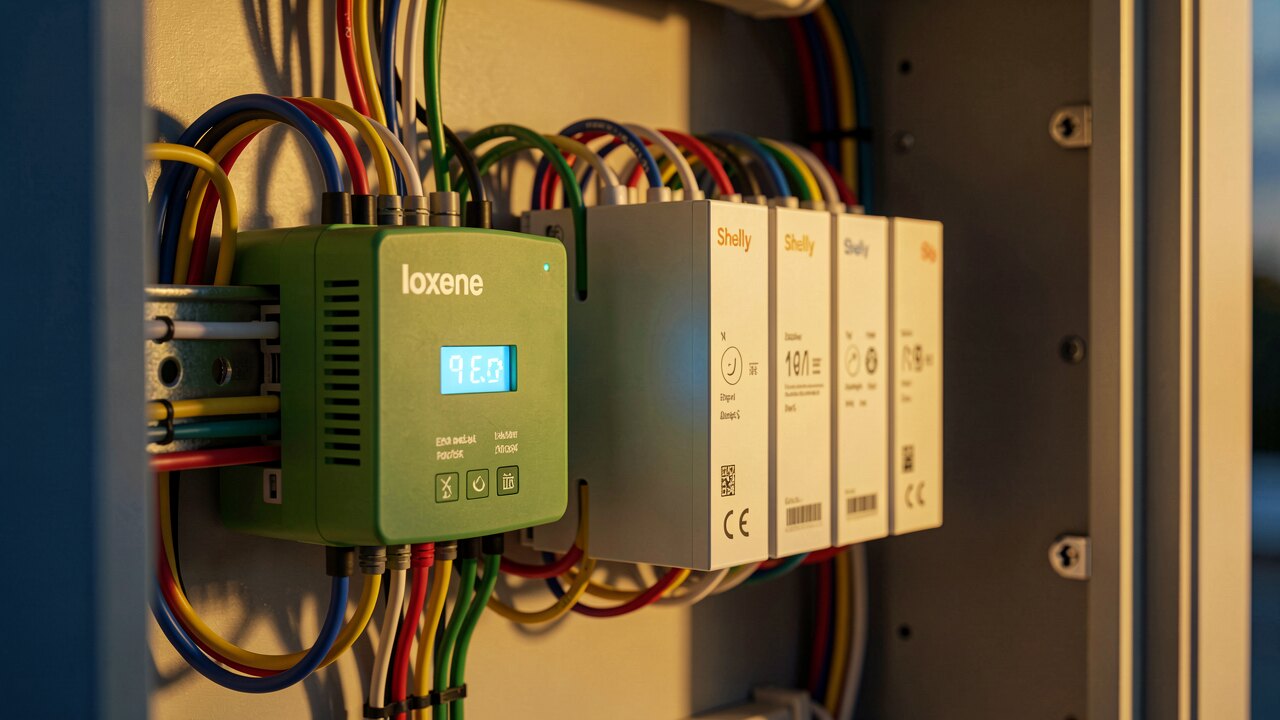
LFP (lithium iron phosphate) is the default chemistry for C&I storage on safety and cycle life. Insist on a hybrid or dedicated storage inverter that supports your local grid code and, ideally, an open interface — Modbus TCP/RTU or SunSpec — so an energy management system can control charge/discharge and peak shaving automatically. Confirm the utility's interconnection and (where required) anti-islanding and export-limit settings before ordering; approval timelines differ by country and are often the longest lead item.
C&I storage is bought outright (capex), leased, or delivered via an energy-as-a-service / PPA where a developer owns the system and you pay per kWh or a fixed fee. In markets with high tariffs and demand charges (Philippines, Singapore) PPAs can make solar+storage cash-flow-positive early with no upfront cost. In NEM markets (Malaysia) capex ownership captures more of the self-consumption savings. Model the demand-charge reduction separately from the energy savings — for many industrial sites the kW peak reduction, not the kWh, drives the payback.
 Charge Director
 Automixer
 BESS Engineer
 PV Watcher