Heat Pump and HVAC Energy Monitoring in Southeast Asia: How It Works
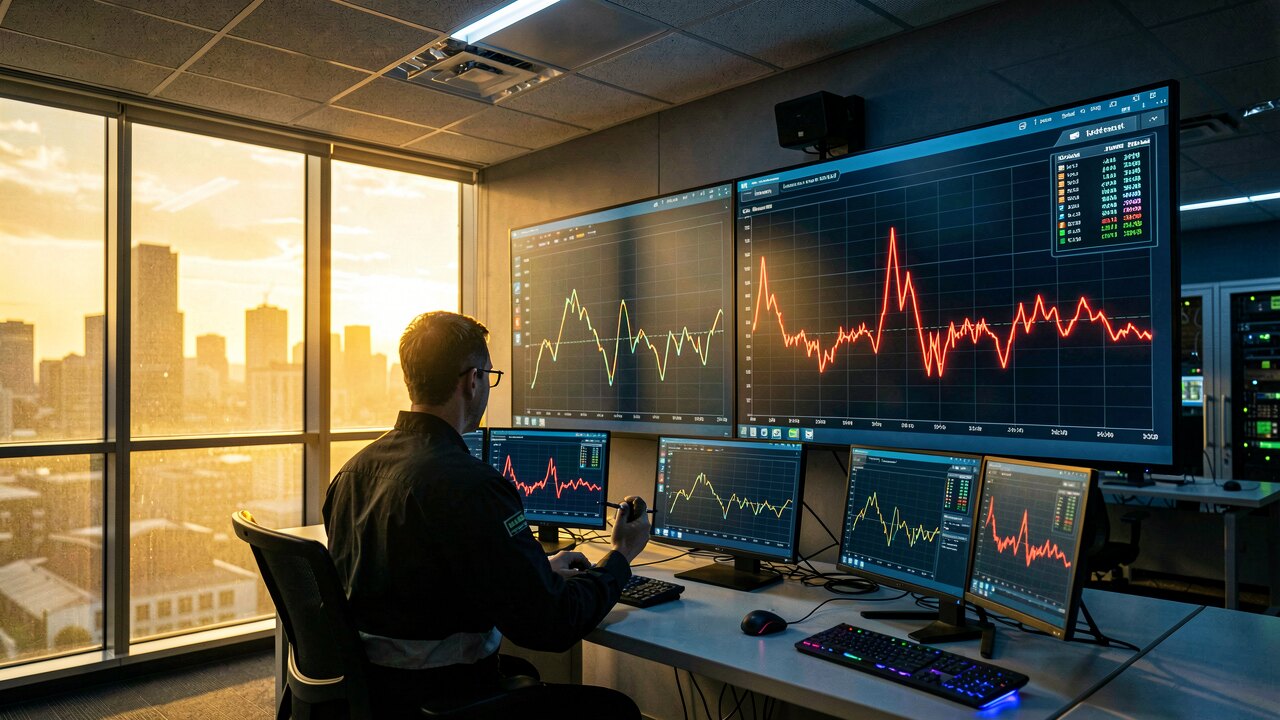
Heat pump and HVAC energy monitoring means continuously measuring the electrical input, the thermal output and the operating conditions of your system, so you can see its real efficiency instead of guessing from the datasheet. In Southeast Asia, where the same equipment usually runs in cooling mode almost year-round and air conditioning dominates commercial electricity bills, this measurement is the only reliable way to find out whether your system is drifting away from its design performance.
A useful setup captures four things at once: electrical power drawn by the compressor and auxiliaries (kW and kWh), the thermal energy delivered or removed (via flow rate and supply/return temperatures on hydronic systems), the operating conditions (ambient temperature and humidity, indoor setpoint), and the runtime pattern (starts, stops, cycle length). From electrical input and thermal output you get the actual coefficient of performance — the single number that tells you whether the machine is doing what it was sold to do. Everything else in monitoring exists to explain why that number moves.
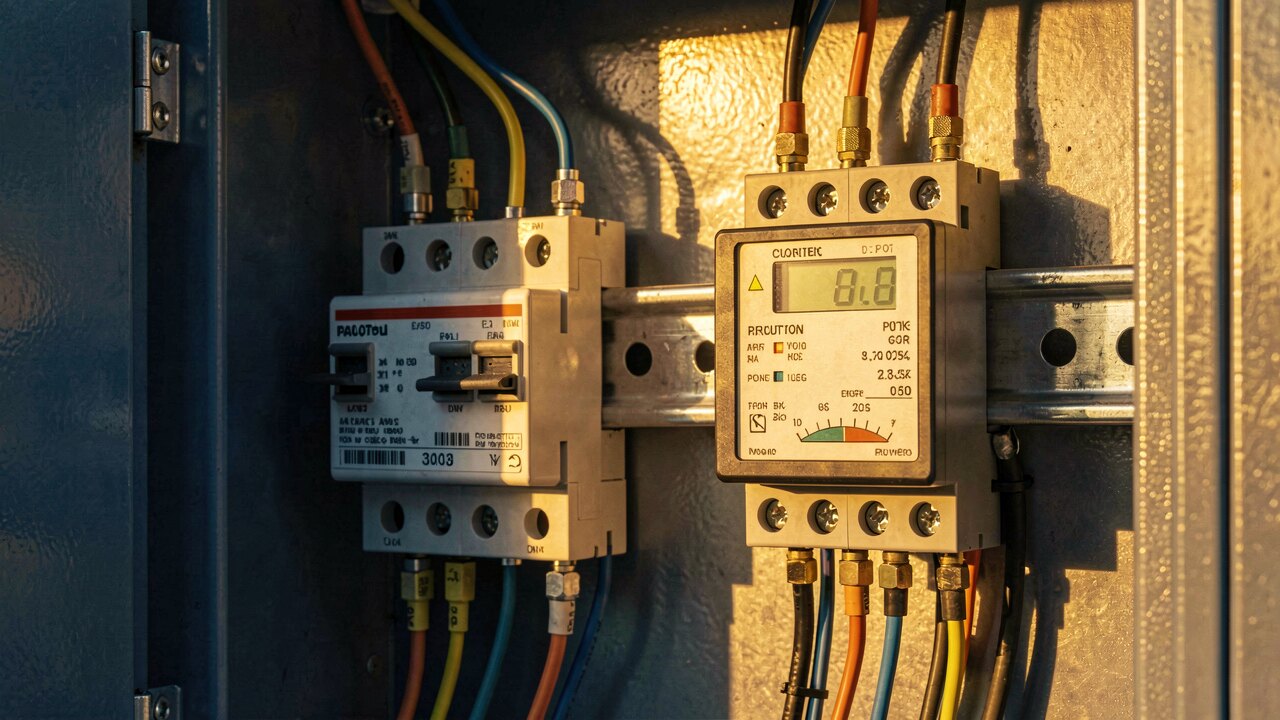
Compare your measured COP against the manufacturer's rating at the same conditions, not the headline figure. Datasheet values are stated at defined test conditions; a chiller or heat pump in Jakarta, Bangkok, Manila or Singapore rarely operates there, because high ambient temperature and high humidity both push a cooling machine away from its rated point. So a gap is normal — a large, growing or unexplained gap is not. Trend the measured COP over weeks. A slow decline usually points to fouled heat exchangers, refrigerant loss or a control problem; a sudden step change points to a component failure. Continuous monitoring lets you catch these developments early and correct them effectively, which extends the service life of the plant and raises its efficiency.
Every heating or cooling system begins at the generator — the heat pump, chiller or heat source that produces the energy the building consumes. This is exactly where hidden savings potential usually sits. Monitoring at the generator gives you the efficiency of the machine itself, separated from distribution losses and from occupant behaviour downstream. If you can only instrument one point in the first phase, instrument the generator: a sub-meter on its electrical supply plus temperature sensors on the hydraulic circuit. Room-level data is useful later, for comfort and zoning questions, but it will not tell you whether your plant is wasting energy.
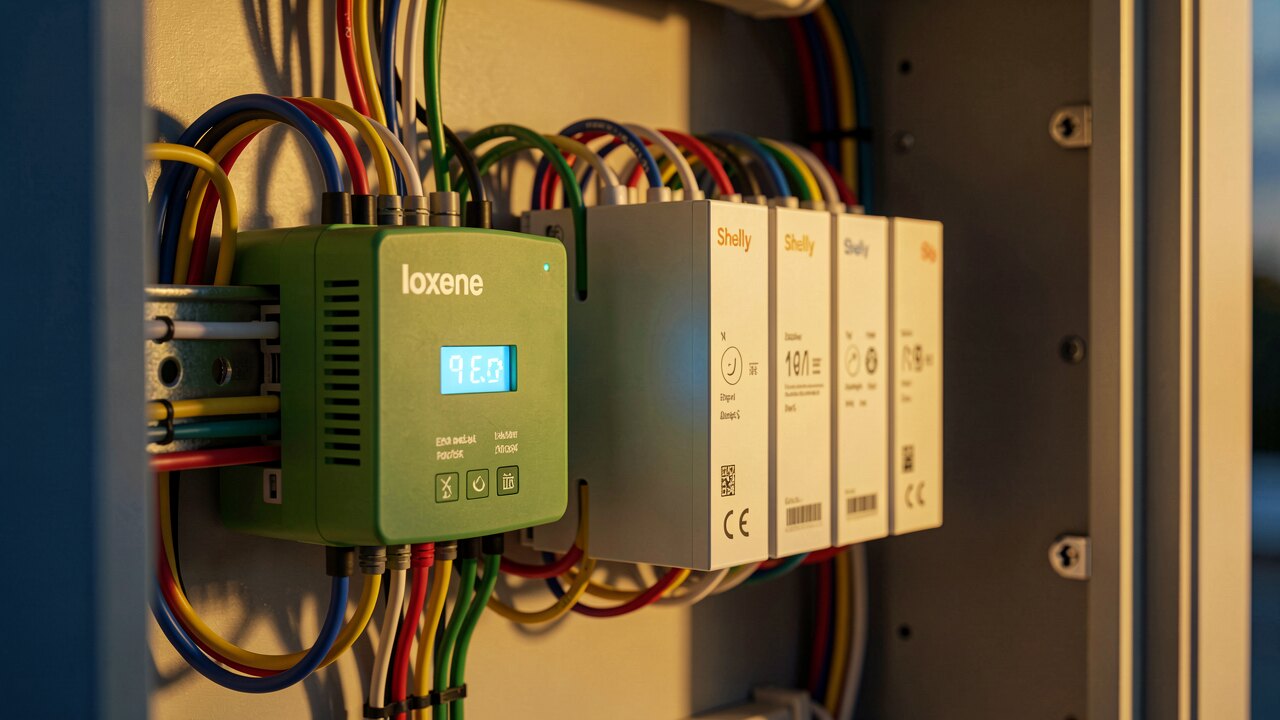
Three things differ from a temperate-climate installation. First, there is no meaningful heating season, so seasonal-average metrics designed around winter heating are not the right benchmark; evaluate cooling performance across the wet and dry seasons instead. Second, latent load matters — much of the energy your system spends in Southeast Asia goes into dehumidification, not into lowering air temperature, so logging relative humidity alongside temperature is not optional if you want to interpret consumption correctly. Third, the load runs close to flat around the clock in many commercial buildings, which means small efficiency losses accumulate continuously rather than only during a few months.
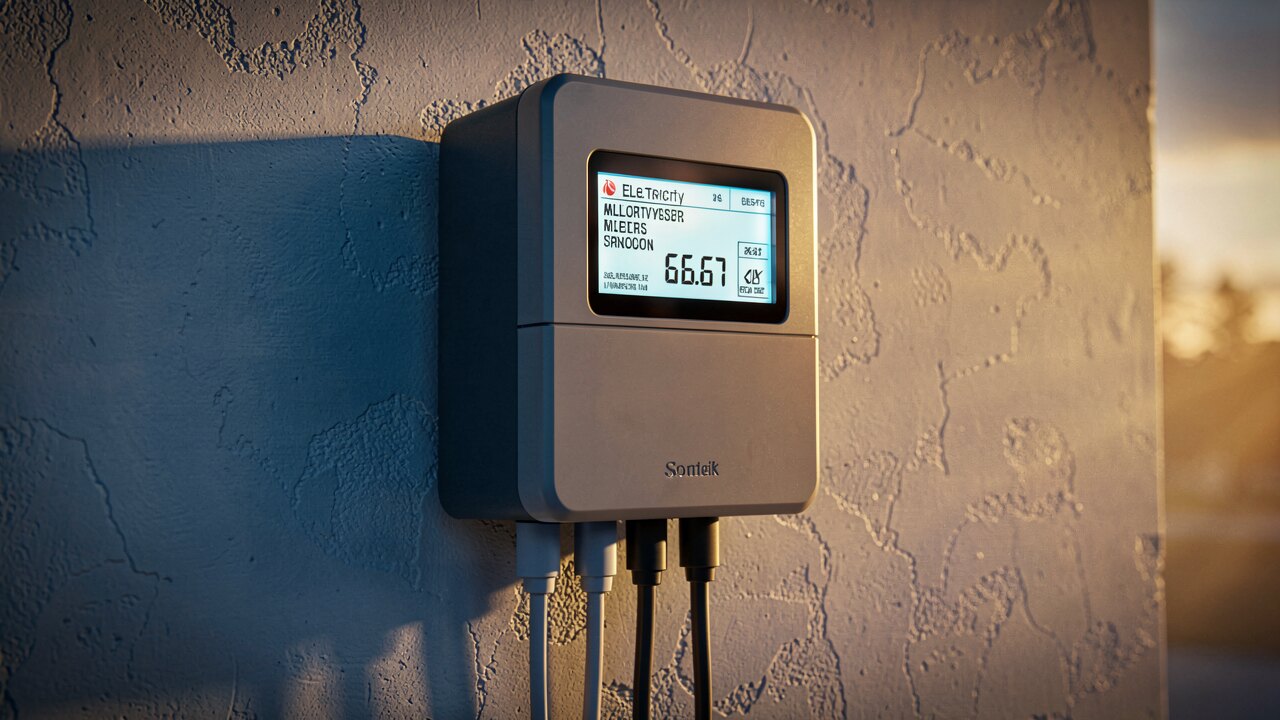
Phase one: install an electrical sub-meter on the heat pump or chiller circuit and log at intervals fine enough to see cycling — typically one reading per minute or faster. Phase two: add flow and temperature measurement on the hydronic side so you can compute delivered thermal energy and therefore real COP. Phase three: bring in ambient temperature and humidity so performance can be normalised against conditions. Phase four: set alerts on the deviation between expected and measured performance, rather than on raw consumption, because raw kWh rises legitimately on a hot day and tells you nothing by itself.
Monitoring pays for itself only when a finding becomes an action. The recurring ones are: correcting setpoints and schedules that no longer match how the building is used; cleaning or descaling heat exchangers when the approach temperature widens; fixing short-cycling, which wears the compressor and destroys efficiency; and identifying refrigerant loss from a gradual capacity decline before it becomes a breakdown. Stromfee's heating monitoring for heat generators is built around this loop — continuous observation of the heat source, optimisation of its performance, and cost reduction that follows from both. For questions on a specific plant, reach us at hr@stromfee.ai or +49 5223 4921030.
 Charge Director
 Automixer
 BESS Engineer
 PV Watcher